


Angiography and Angioplasty with Stent Placement

About the procedure
Care before the procedure
- Fasting: No food or drink for 6–8 hours before the procedure.
- Medication Review: Adjustments may be made to blood thinners or diabetes medications.
- Allergies: Inform the medical team of any allergies, especially to iodine, shellfish, or contrast dye.
- Pre-Procedure Tests: Blood tests, ECG, and sometimes echocardiogram.
Care during the procedure
- Anesthesia: Local anesthesia is applied to the access site (usually wrist or groin).
- Process: A catheter is threaded through arteries to the heart. Contrast dye is injected to visualize blockages. If needed, angioplasty and stent placement are performed.
- Duration: 30–90 minutes, depending on complexity.
- Patient Experience: Mild discomfort may be felt during contrast injection (flushing sensation) or balloon inflation (brief chest tightness).
Care after the procedure
- Immediate Recovery:
- Pressure applied to the access site to prevent bleeding.
- Bed rest for a few hours (longer if femoral access was used).
- Hydration to flush out contrast dye.
- Medications:
- Dual antiplatelet therapy (DAPT) is critical (e.g., aspirin + clopidogrel) to prevent blood clots in the stent.
- Statins, beta-blockers, or other heart medications as prescribed.
- Activity:
- Avoid heavy lifting/strenuous activity for 1 week.
- Gradually resume normal activities under doctor’s guidance.
- Follow-Up:
- Regular appointments to monitor heart health and medication efficacy.
- Cardiac rehabilitation may be recommended for lifestyle optimization.
- Lifestyle Changes:
- Heart-healthy diet (low salt, low fat).
- Regular exercise.
- Smoking cessation.
- Stress management.
Eligibility
- Individuals with persistent joint pain, swelling, or locking affecting daily activities, not relieved by conservative measures.
- Patients with diagnosed meniscus tears, ligament injuries, or cartilage damage requiring precise repair or removal.
- Athletes or physically active people needing early return to sports after joint injuries.
- People with loose bodies or structural joint abnormalities detected through imaging or clinical examination.
Relevant Specialties
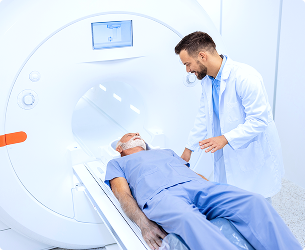
Radiology
Radiology uses imaging to support the diagnosis, evaluation, and monitoring of a wide range of health conditions.
It plays a critical role in helping clinicians understand underlying medical concerns by providing clear and accurate visual insights, supporting informed decision-making across multiple specialties.
At KIMSHEALTH, radiology services are delivered through a patient-first approach, focusing on precision, efficiency, and timely support to ensure effective and coordinated patient care.
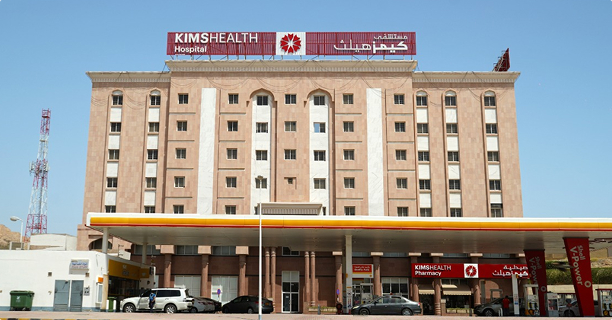
Oman
A trusted destination for specialised medical care supported by expert clinical professionals.
KIMSHEALTH Oman
3
Facilities
80+
Doctors
30+
Specialties
20+
Services
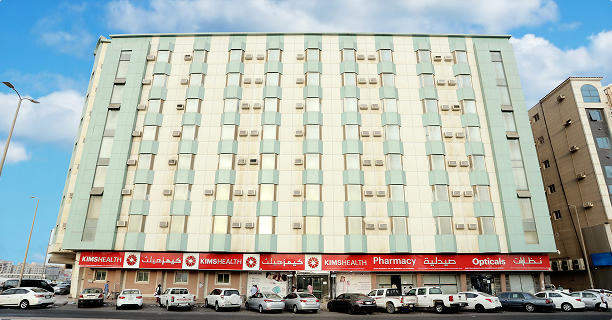
Saudi Arabia
The largest multispeciality clinic in Jubail, offering quality medical care to the citizens.
KIMSHEALTH Saudi Arabia2
Facilities
50+
Doctors
20+
Specialties
10+
Services