


Biologic Therapy for Rheumatoid Arthritis

About the procedure
Care before the procedure
- Undergo baseline screening for infections like TB or hepatitis.
- Inform the doctor about all medications and allergy history.
- Ensure vaccinations are up to date before starting therapy.
- Discuss pregnancy plans or breastfeeding with your specialist.
Care during the procedure
- Receive subcutaneous injections or intravenous infusion under supervision.
- Monitor for immediate allergic or infusion-related reactions carefully.
- Maintain proper hygiene to prevent infection at the injection site.
- Stay relaxed and report any unusual symptoms during therapy.
Care after the procedure
- Schedule regular blood tests to monitor liver function and blood counts.
- Watch for signs of infection like fever or persistent cough.
- Report any new rashes, swelling, or breathing difficulties promptly.
- Attend follow-up appointments for dose adjustments as advised.
Eligibility
- Patients with moderate to severe rheumatoid arthritis not responding to conventional DMARD therapy.
- Individuals with persistent joint pain, swelling, or stiffness affecting daily activities and quality of life.
- People at risk of progressive joint damage requiring aggressive immune-targeted therapy.
- Patients evaluated and approved by a rheumatologist after infection screening and baseline lab tests.
Relevant Specialties
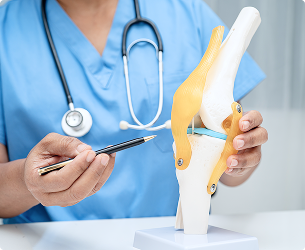
Orthopaedics (Orthopaedic Surgery)
Orthopaedics focuses on the musculoskeletal system, including bones, joints, muscles, and ligaments.
It supports individuals with a wide range of conditions that may affect movement, strength, and overall physical function. The specialty plays an important role in helping patients maintain mobility, manage discomfort, and improve their quality of life over time.
At KIMSHEALTH, orthopaedic care is delivered through a patient-centered approach, focusing on recovery, movement, and long-term quality of life.
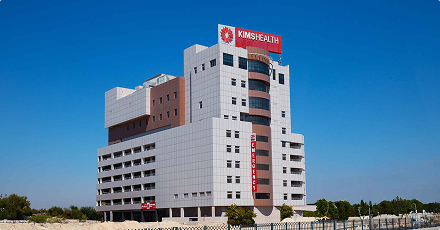
Bahrain
A trusted destination for specialised medical care supported by expert clinical professionals.
KIMSHEALTH Bahrain
6
Facilities
120+
Doctors
25+
Specialities
40+
Services
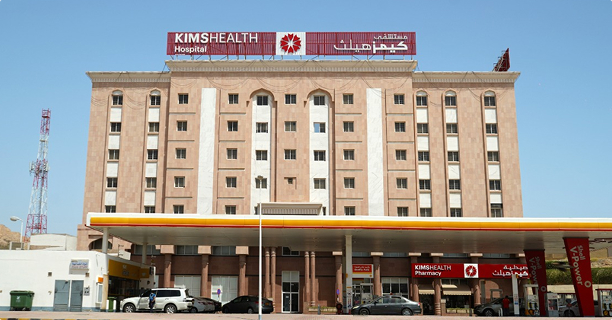
Oman
A trusted destination for specialised medical care supported by expert clinical professionals.
KIMSHEALTH Oman3
Facilities
80+
Doctors
30+
Specialties
20+
Services

Saudi Arabia
The largest multispeciality clinic in Jubail, offering quality medical care to the citizens.
KIMSHEALTH Saudi Arabia2
Facilities
50+
Doctors
20+
Specialties
10+
Services

UAE
A trusted destination for specialised medical care supported by expert clinical professionals.
KIMSHEALTH UAE2
Facilities
40+
Doctors
15+
Specialties
40+
Services