


Burns Wound Debridement

About the procedure
Care before the procedure
- Keep the burn area clean and avoid applying ointments unnecessarily.
- Inform your doctor about allergies, medications, or preexisting conditions.
- Follow fasting instructions if general anesthesia is planned.
- Arrange support for transportation and post-procedure care at home.
Care during the procedure
- Local or general anesthesia will be administered for pain control.
- Surgical or specialized instruments will remove dead tissue carefully.
- Ensure only necrotic tissue is removed, preserving healthy areas.
- The medical team monitors vitals and maintains a sterile environment throughout.
Care after the procedure
- Regularly change wound dressings as instructed by healthcare providers.
- Take prescribed medications for pain management and infection prevention.
- Attend physiotherapy if burn affects joints to maintain mobility.
- Monitor the wound and report any signs of infection immediately.
Eligibility
- Patients with burn wounds containing dead or necrotic tissue requiring removal for healing.
- Individuals at high risk of infection due to deep or extensive burns.
- People needing wound preparation for future skin grafting or reconstructive procedures.
- Patients whose clinical assessment or imaging indicates tissue damage requiring surgical intervention.
Relevant Specialties
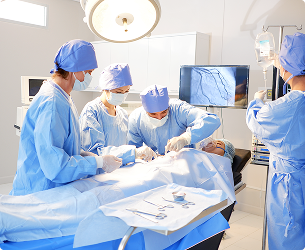
General Surgery
General Surgery is a medical specialty focused on the evaluation and management of a wide range of health conditions that may require surgical care.
It plays an important role in diagnosing and supporting the treatment of conditions affecting different parts of the body, often working in coordination with other specialties to ensure comprehensive patient care. The specialty also supports patients through pre- and post-treatment care, contributing to overall recovery and long-term health.
At KIMSHEALTH, general surgery is delivered through a patient-first approach, focusing on careful assessment, informed decision-making, and coordinated care to support the best possible outcomes.
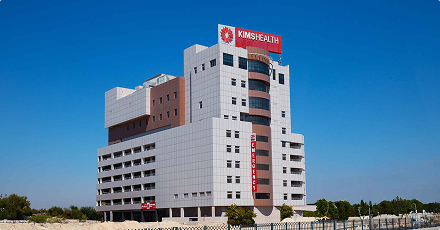
Bahrain
A trusted destination for specialised medical care supported by expert clinical professionals.
KIMSHEALTH Bahrain
6
Facilities
120+
Doctors
25+
Specialities
40+
Services
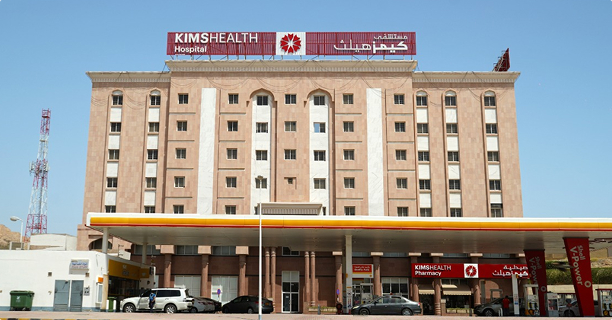
Oman
A trusted destination for specialised medical care supported by expert clinical professionals.
KIMSHEALTH Oman3
Facilities
80+
Doctors
30+
Specialties
20+
Services
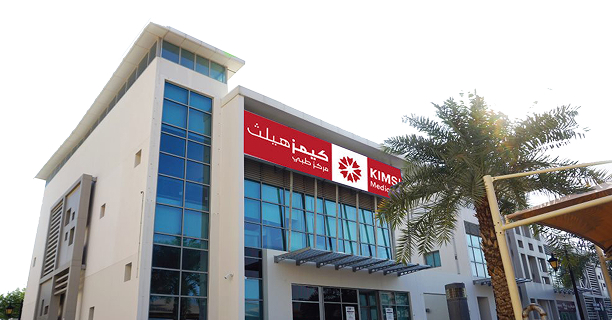
Qatar
Multispecialty medical centers delivering top-notch care to the people of Qatar.
KIMSHEALTH Qatar3
Facilities
50+
Doctors
20+
Specialities
10+
Services
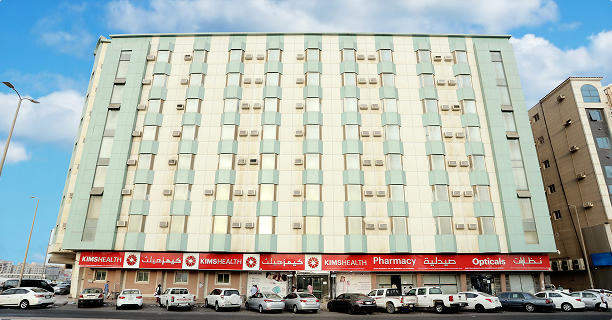
Saudi Arabia
The largest multispeciality clinic in Jubail, offering quality medical care to the citizens.
KIMSHEALTH Saudi Arabia2
Facilities
50+
Doctors
20+
Specialties
10+
Services

UAE
A trusted destination for specialised medical care supported by expert clinical professionals.
KIMSHEALTH UAE2
Facilities
40+
Doctors
15+
Specialties
40+
Services