


General Surgery


About the Speciality
General Surgery is a medical specialty focused on the evaluation and management of a wide range of health conditions that may require surgical care.
It plays an important role in diagnosing and supporting the treatment of conditions affecting different parts of the body, often working in coordination with other specialties to ensure comprehensive patient care. The specialty also supports patients through pre- and post-treatment care, contributing to overall recovery and long-term health.
At KIMSHEALTH, general surgery is delivered through a patient-first approach, focusing on careful assessment, informed decision-making, and coordinated care to support the best possible outcomes.
Relevant Diseases & Conditions
Abdominal Pain
Acute Appendicitis
Anal fissure / Fissure-in-ano
Bowel Obstruction
Relevant Procedures
Abscess Drainage
Breast Surgeries
Burns Wound Debridement
Cauterization of Wart
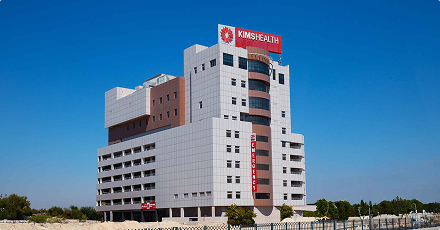
Bahrain
A trusted destination for specialised medical care supported by expert clinical professionals.
KIMSHEALTH Bahrain
6
Facilities
120+
Doctors
25+
Specialities
40+
Services

Oman
A trusted destination for specialised medical care supported by expert clinical professionals.
KIMSHEALTH Oman3
Facilities
80+
Doctors
30+
Specialties
20+
Services
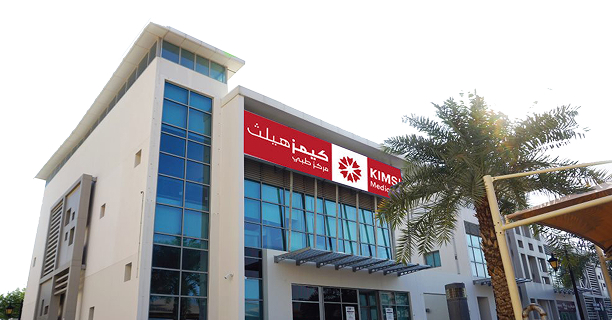
Qatar
Multispecialty medical centers delivering top-notch care to the people of Qatar.
KIMSHEALTH Qatar3
Facilities
50+
Doctors
20+
Specialities
10+
Services

Saudi Arabia
The largest multispeciality clinic in Jubail, offering quality medical care to the citizens.
KIMSHEALTH Saudi Arabia2
Facilities
50+
Doctors
20+
Specialties
10+
Services

UAE
A trusted destination for specialised medical care supported by expert clinical professionals.
KIMSHEALTH UAE2
Facilities
40+
Doctors
15+
Specialties
40+
Services