


Colonoscopy

About the procedure
Colonoscopy is a diagnostic and therapeutic procedure that allows gastroenterologists to examine the entire colon and rectum for abnormalities such as polyps, inflammation, bleeding, and cancer. It is considered the gold standard for colorectal cancer screening and is recommended for adults starting at age 45-50, or earlier for those with increased risk factors. During the procedure, the physician can also remove precancerous polyps, significantly reducing the risk of developing colorectal cancer.
Care before the procedure
- Bowel Preparation (Critical Step):
- A clear liquid diet (broth, juice, gelatin) for 24 hours before the procedure.
- Prescribed laxative solution (e.g., PEG-based) to empty the colon completely.
- Follow instructions precisely to ensure a clear view during the procedure.
- Medication Adjustments:
- Discuss all medications with your doctor; temporarily stop blood thinners (e.g., warfarin, aspirin) if advised.
- Adjust diabetes or other medications as directed.
- Fasting: No food or drink (except clear liquids) for 6–8 hours before the procedure.
- Arrangements: Arrange for transportation home due to sedation effects.
Care during the procedure
- Setting: Outpatient endoscopy centre or hospital.
- Sedation: IV sedation (e.g., propofol) for comfort; most patients sleep through the procedure.
- Process:
- You will lie on your side while the colonoscope is inserted.
The procedure typically takes 30–60 minutes. - Polyps are removed (polypectomy), and biopsies are taken if needed.
- You will lie on your side while the colonoscope is inserted.
- Patient Experience: No pain or memory of the procedure due to sedation.
Minimal discomfort from air insufflation (may cause bloating).
Care after the procedure
- Recovery:
- monitored for 30–60 minutes until sedation wears off.
- You may experience gas or mild cramping; passing gas helps relieve bloating.
- Resume normal diet unless otherwise instructed.
- Results:
- Preliminary findings are discussed before you leave.
- Biopsy results take 7–10 days; follow up with your doctor.
- Activity:
- Avoid driving, operating machinery, or making important decisions for 24 hours.
- Most resume normal activities the next day.
- Complications (Rare): Seek medical help for severe abdominal pain, fever, heavy rectal bleeding, or dizziness.
- Follow-Up Screening: If no polyps are found repeat in 10 years (average risk).
- If polyps are found, follow-up intervals vary (e.g., 3–5 years for adenomas).
Relevant Specialties
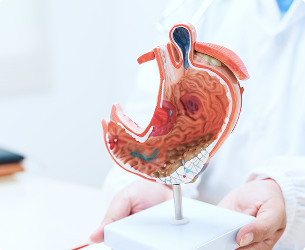
Gastroenterology
Gastroenterology is the specialty focused on the digestive system and its functions.
It supports patients with a wide range of digestive health concerns, helping maintain overall gastrointestinal health and well-being through early identification and long-term management.
At KIMSHEALTH, care is delivered through a patient-centered approach, focusing on accurate diagnosis, prevention, and ongoing support.
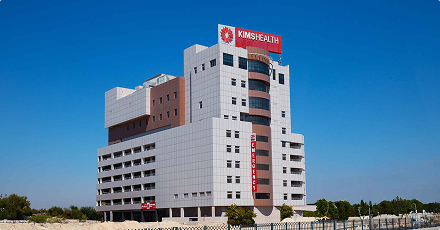
Bahrain
A trusted destination for specialised medical care supported by expert clinical professionals.
KIMSHEALTH Bahrain
6
Facilities
120+
Doctors
25+
Specialities
40+
Services