


Contact Lens Removal

About the procedure
Care before the procedure
- Wash hands thoroughly before handling contact lenses.
- Avoid using the lenses if eye irritation is present.
- Remove eye makeup to prevent contamination during removal.
- Inform the clinician if lenses feel stuck or uncomfortable.
Care during the procedure
- Follow proper technique for soft or rigid lens removal.
- Use the recommended plunger or manual method for scleral lenses.
- Keep eyes open and blink minimally during removal.
- Communicate any pain or discomfort immediately to the clinician.
Care after the procedure
- Inspect the cornea for scratches or irritation after lens removal.
- Apply lubricating drops if eyes feel dry or uncomfortable.
- Clean and disinfect reusable lenses per instructions.
- Avoid rubbing eyes to prevent injury or infection.
Eligibility
- All contact lens users should undergo routine lens removal or replacement to maintain eye health and hygiene.
- Individuals experiencing lens discomfort, dryness, or irritation requiring professional removal and assessment.
- Patients with a stuck or difficult-to-remove rigid or scleral lens needing clinician assistance.
- People preparing for ocular procedures or eye exams where lenses must be removed beforehand.
Relevant Specialties

Ophthalmology
Ophthalmology focuses on the health of the eyes and vision, supporting individuals in maintaining clear sight and overall eye health.
It addresses a wide range of eye-related concerns, helping in the early identification and ongoing management of conditions that may affect vision and eye function. The specialty also plays an important role in preserving long-term visual health and quality of life.
At KIMSHEALTH, ophthalmology care is delivered through a patient-first approach, focusing on accurate evaluation, personalized care, and supporting long-term eye health and well-being.
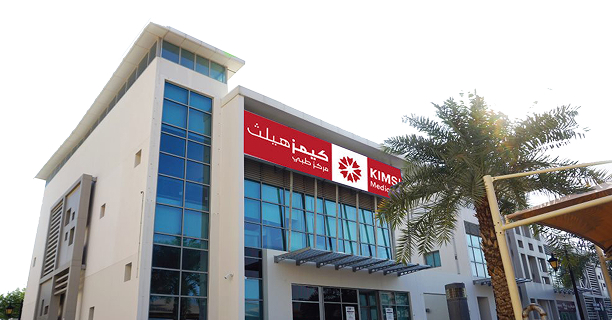
Qatar
Multispecialty medical centers delivering top-notch care to the people of Qatar.
KIMSHEALTH Qatar
3
Facilities
50+
Doctors
20+
Specialities
10+
Services
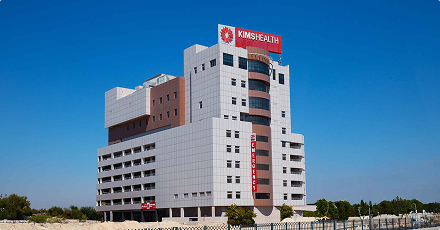
Bahrain
A trusted destination for specialised medical care supported by expert clinical professionals.
KIMSHEALTH Bahrain6
Facilities
120+
Doctors
25+
Specialities
40+
Services

Oman
A trusted destination for specialised medical care supported by expert clinical professionals.
KIMSHEALTH Oman3
Facilities
80+
Doctors
30+
Specialties
20+
Services

Saudi Arabia
The largest multispeciality clinic in Jubail, offering quality medical care to the citizens.
KIMSHEALTH Saudi Arabia2
Facilities
50+
Doctors
20+
Specialties
10+
Services

UAE
A trusted destination for specialised medical care supported by expert clinical professionals.
KIMSHEALTH UAE2
Facilities
40+
Doctors
15+
Specialties
40+
Services