


Dilated Fundus Examination / Fundus Examination

About the procedure
Care before the procedure
- Avoid wearing contact lenses before the examination appointment.
- Inform the doctor about current medications and allergies.
- Arrange for someone to drive post-procedure due to blurred vision.
- Avoid bright sunlight immediately before the examination if possible.
Care during the procedure
- Follow instructions while eye drops are administered for dilation.
- Keep eyes closed if instructed after each drop application.
- Sit steadily during indirect ophthalmoscopy or slit-lamp examination.
- Notify the doctor immediately if discomfort or irritation occurs.
Care after the procedure
- Expect temporary blurred near vision for several hours post-exam.
- Wear sunglasses outdoors to reduce light sensitivity after dilation.
- Avoid driving until vision returns to normal.
- Resume normal activities once pupils return to their usual size.
Eligibility
- Individuals with diabetes requiring routine retinal evaluation to detect early retinopathy changes.
- Patients with high intraocular pressure or glaucoma should undergo assessment of optic nerve health.
- People with visual disturbances or floaters needing a retinal tear or detachment assessment.
- Those with systemic conditions like hypertension or autoimmune disease affecting retinal health.
Relevant Specialties

Ophthalmology
Ophthalmology focuses on the health of the eyes and vision, supporting individuals in maintaining clear sight and overall eye health.
It addresses a wide range of eye-related concerns, helping in the early identification and ongoing management of conditions that may affect vision and eye function. The specialty also plays an important role in preserving long-term visual health and quality of life.
At KIMSHEALTH, ophthalmology care is delivered through a patient-first approach, focusing on accurate evaluation, personalized care, and supporting long-term eye health and well-being.
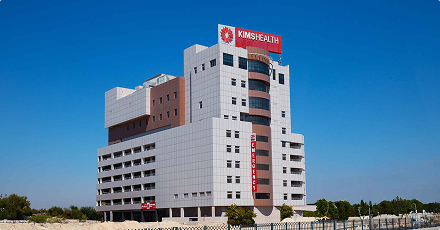
Bahrain
A trusted destination for specialised medical care supported by expert clinical professionals.
KIMSHEALTH Bahrain
6
Facilities
120+
Doctors
25+
Specialities
40+
Services

Oman
A trusted destination for specialised medical care supported by expert clinical professionals.
KIMSHEALTH Oman3
Facilities
80+
Doctors
30+
Specialties
20+
Services
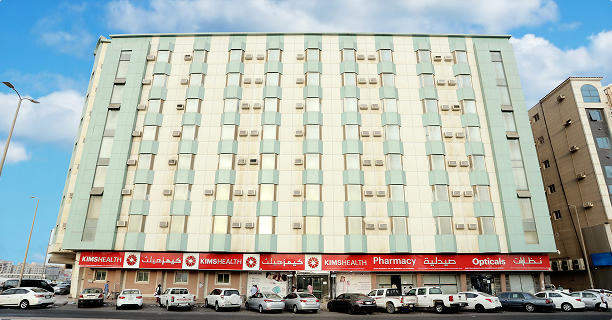
Saudi Arabia
The largest multispeciality clinic in Jubail, offering quality medical care to the citizens.
KIMSHEALTH Saudi Arabia2
Facilities
50+
Doctors
20+
Specialties
10+
Services
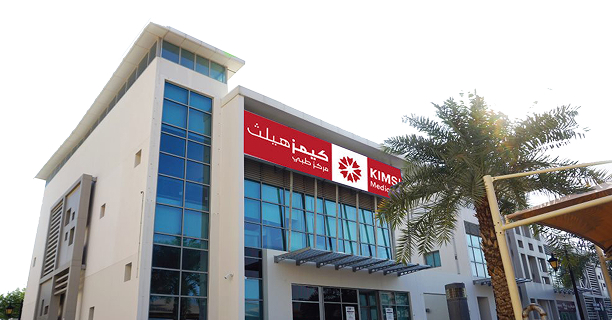
Qatar
Multispecialty medical centers delivering top-notch care to the people of Qatar.
KIMSHEALTH Qatar3
Facilities
50+
Doctors
20+
Specialities
10+
Services

UAE
A trusted destination for specialised medical care supported by expert clinical professionals.
KIMSHEALTH UAE2
Facilities
40+
Doctors
15+
Specialties
40+
Services