


Elbow Release Surgery

About the procedure
Care before the procedure
- Inform your doctor about all medications and allergies beforehand.
- Keep the elbow clean and free from lotions or creams.
- Arrange transportation, as anesthesia may impair driving post-surgery.
- Follow fasting instructions if sedation or general anesthesia is planned.
Care during the procedure
- Surgery performed under general or regional anesthesia for patient comfort.
- Careful release of the joint capsule and removal of adhesions are performed.
- Protect surrounding nerves to prevent postoperative sensory or motor deficits.
- Maintain sterile technique to minimize infection risk during the procedure.
Care after the procedure
- Start intensive physiotherapy to regain elbow range of motion gradually.
- Follow pain management plan prescribed by your doctor or therapist.
- Monitor incision for redness, swelling, or signs of infection.
- Avoid heavy lifting or strenuous elbow activities until fully healed.
Eligibility
- Patients with stiff elbows limiting daily activities despite conservative management.
- Individuals with restricted range of motion due to joint contractures or adhesions.
- People who have failed to improve with physiotherapy, medications, or splints.
- Patients requiring surgical release for functional recovery and improved quality of life.
Relevant Specialties
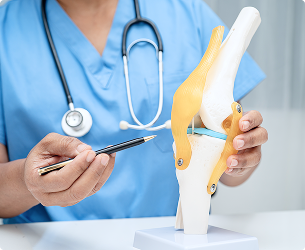
Orthopaedics (Orthopaedic Surgery)
Orthopaedics focuses on the musculoskeletal system, including bones, joints, muscles, and ligaments.
It supports individuals with a wide range of conditions that may affect movement, strength, and overall physical function. The specialty plays an important role in helping patients maintain mobility, manage discomfort, and improve their quality of life over time.
At KIMSHEALTH, orthopaedic care is delivered through a patient-centered approach, focusing on recovery, movement, and long-term quality of life.
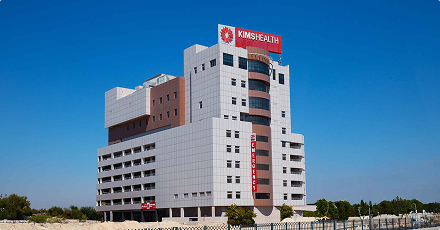
Bahrain
A trusted destination for specialised medical care supported by expert clinical professionals.
KIMSHEALTH Bahrain
6
Facilities
120+
Doctors
25+
Specialities
40+
Services

Oman
A trusted destination for specialised medical care supported by expert clinical professionals.
KIMSHEALTH Oman3
Facilities
80+
Doctors
30+
Specialties
20+
Services

Saudi Arabia
The largest multispeciality clinic in Jubail, offering quality medical care to the citizens.
KIMSHEALTH Saudi Arabia2
Facilities
50+
Doctors
20+
Specialties
10+
Services

UAE
A trusted destination for specialised medical care supported by expert clinical professionals.
KIMSHEALTH UAE2
Facilities
40+
Doctors
15+
Specialties
40+
Services