


Endoscopic Retrograde Cholangiopancreatography (ERCP)

About the procedure
ERCP is a specialised endoscopic procedure that combines upper endoscopy and X-ray imaging to diagnose and treat problems in the bile ducts and pancreatic ducts. It is primarily used to remove gallstones from the bile duct, treat strictures (narrowing) in the ducts, place stents to relieve blockages, and obtain biopsies of suspected tumours. ERCP is particularly valuable for conditions like choledocholithiasis (bile duct stones), pancreatitis, and biliary strictures.
Care before the procedure
- Review of medical history, allergies (especially to contrast dye), and medications.
- Blood tests (coagulation profile, liver enzymes) and imaging (ultrasound, CT, or MRI) to confirm the need for ERCP.
- Fasting: No food or drink for at least 6–8 hours before the procedure to ensure an empty stomach.
- Medication Adjustments:
- Hold anticoagulants (e.g., warfarin, clopidogrel) 5–7 days prior to reduce bleeding risk.
- Adjust diabetes medications due to fasting.
- Informed Consent: Discussion of risks (e.g., pancreatitis, bleeding, infection, perforation) and benefits.
- Arrangements: Arrange for transportation home post-procedure due to sedation.
Care during the procedure
- Setting: Performed in a hospital endoscopy suite or radiology department.
- Anaesthesia: Typically performed under conscious sedation or monitored anaesthesia care (MAC).
- Process:
- The endoscope is passed through the mouth into the duodenum.
- The ampulla is identified, and a catheter is used to inject contrast dye into the ducts.
- X-ray images are taken to identify abnormalities.
- Therapeutic interventions (e.g., stone extraction, stent placement, sphincterotomy) are performed as needed.
- Duration: 30–90 minutes, depending on complexity.
- Patient Experience:
- Sedation ensures comfort; patients may feel slight bloating or pressure.
- Vital signs are monitored throughout.
Care after the procedure
- Immediate Recovery:
- Monitor for 1–2 hours until sedation effects wear off.
- Watch for signs of complications (e.g., abdominal pain, fever, bleeding).
- Post-Procedure Instructions:
- Resume a light diet once swallowing returns to normal.
- Avoid driving, operating machinery, or consuming alcohol for 24 hours.
- Symptoms to Report Immediately: Severe abdominal pain, fever, chills, vomiting, or black stools (may indicate pancreatitis, infection, or bleeding).
- Follow-Up:
- Discuss results and further treatment plans (e.g., surgery, additional ERCP) during a follow-up appointment.
- If a stent was placed, schedule a repeat ERCP for removal or replacement as needed.
- Long-Term Management:
- Lifestyle modifications (e.g., low-fat diet) to prevent gallstone recurrence.
- Regular imaging or blood tests to monitor underlying conditions (e.g., tumours, strictures).
Relevant Specialties
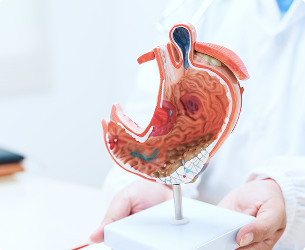
Gastroenterology
Gastroenterology is the specialty focused on the digestive system and its functions.
It supports patients with a wide range of digestive health concerns, helping maintain overall gastrointestinal health and well-being through early identification and long-term management.
At KIMSHEALTH, care is delivered through a patient-centered approach, focusing on accurate diagnosis, prevention, and ongoing support.
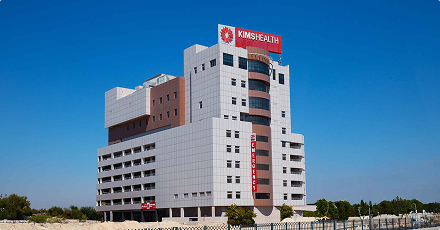
Bahrain
A trusted destination for specialised medical care supported by expert clinical professionals.
KIMSHEALTH Bahrain
6
Facilities
120+
Doctors
25+
Specialities
40+
Services