


Endoscopic Ultrasound (EUS)

About the procedure
Endoscopic ultrasound combines endoscopy and ultrasound technology to obtain detailed images of the digestive tract and surrounding organs. It is used for diagnosing and staging gastrointestinal cancers, evaluating pancreatic disorders, assessing bile duct abnormalities, and examining submucosal lesions. EUS provides higher resolution images than traditional abdominal ultrasound and can guide fine-needle aspiration biopsies of suspicious masses that are not accessible by other methods.
Care before the procedure
- Pre-Procedure Evaluation:
- Review of prior imaging (CT, MRI) to target areas of interest.
- Blood tests (coagulation profile) if FNA is planned.
- Fasting:
- Upper EUS: No food or drink for 6–8 hours.
- Lower EUS (rectal): Bowel prep similar to colonoscopy.
- Medication Adjustments:
- Hold anticoagulants (e.g., warfarin, clopidogrel) 5–7 days prior if FNA is anticipated.
- Adjust diabetes medications due to fasting.
- Arrangements: Arrange transportation post-procedure due to sedation.
Care during the procedure
- Setting: Endoscopy suite with sedation (conscious sedation or monitored anesthesia).
- Process:
- The echoendoscope is inserted orally or rectally.
- Ultrasound images are obtained, and FNA/biopsy is performed if needed.
- Therapeutic steps (e.g., drainage, nerve block) are completed as indicated.
- Duration:
- 30–90 minutes, depending on complexity.
- Patient Experience:
- Sedation ensures comfort; no pain is typically felt.
- Vital signs are monitored throughout.
Care after the procedure
- Immediate Recovery:
- Monitor for 1–2 hours until sedation wears off.
- Temporary throat discomfort (upper EUS) or bloating may occur.
- Post-Procedure Instructions:
- Resume diet once swallowing returns to normal.
- Avoid driving, operating machinery, or alcohol for 24 hours.
- Biopsy Results:
- Preliminary findings may be discussed same day; pathology results take 3–7 days.
- Complications (Rare):
- Watch for severe pain, fever, vomiting, or bleeding (especially with FNA).
- Pancreatitis risk (1–3%) after FNA of pancreatic lesions.
- Follow-Up:
- Repeat EUS may be needed to monitor cysts or treatment response.
- Integration of results with oncology, surgery, or gastroenterology plans.
Relevant Specialties
Gastroenterology
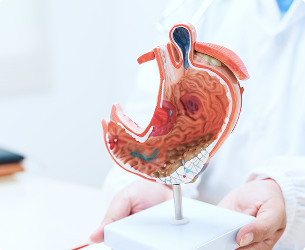
Gastroenterology is the specialty focused on the digestive system and its functions.
It supports patients with a wide range of digestive health concerns, helping maintain overall gastrointestinal health and well-being through early identification and long-term management.
At KIMSHEALTH, care is delivered through a patient-centered approach, focusing on accurate diagnosis, prevention, and ongoing support.
Bahrain
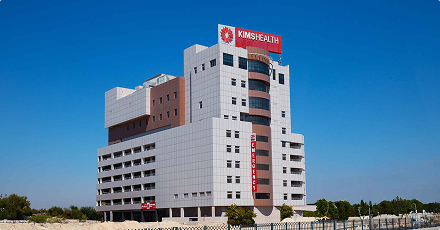
A trusted destination for specialised medical care supported by expert clinical professionals.
KIMSHEALTH Bahrain
6
Facilities
120+
Doctors
25+
Specialities
40+
Services