


Hemorrhoid Banding

About the procedure
Haemorrhoid banding, also known as rubber band ligation, is a minimally invasive outpatient procedure used to treat internal haemorrhoids. It involves placing small rubber bands around the base of haemorrhoids to cut off their blood supply, causing them to shrink and fall off within a few days. This procedure is most effective for grade I-III internal haemorrhoids and is considered the first-line treatment for symptomatic internal haemorrhoids that don't respond to conservative management.
Care before the procedure
- Evaluation:
- Digital rectal exam or anoscopy to confirm haemorrhoid grade and suitability.
- Review of medical history and medications (e.g., pause blood thinners if safe).
- Bowel Preparation:
- A light enema may be recommended to clear the rectum before the procedure.
- No full bowel prep or fasting required.
- Patient Counselling: Discuss expectations, potential discomfort during/after, and the need for possible repeat sessions.
Care during the procedure
- Setting: Done in a clinic or procedure room; takes 5–10 minutes.
- Process:
- Patient lies on their side in a curled position.
- The ligator is inserted into the anus, and the hemorrhoid is suctioned into the device.
- The band is deployed around the hemorrhoid’s base.
- Multiple hemorrhoids may be banded in one session if appropriate.
- Sensations:
- Patients may feel pressure, mild cramping, or a feeling of fullness.
- Sharp pain is uncommon; if felt, the band may be misplaced and requires adjustment.
Care after the procedure
- Immediate Aftercare:
- Rest for a short time before leaving the clinic.
- Mild discomfort or dull ache is common; OTC pain relievers (e.g., acetaminophen) can help.
- Avoid straining, heavy lifting, or vigorous activity for 24–48 hours.
- Bowel Movements:
- Increase fiber and water intake to soften stools and reduce straining.
- The banded hemorrhoid will pass naturally in 7–10 days (often unnoticed).
- Symptoms to Expect:
- Minor bleeding or mucus discharge is normal when the tissue sloughs off.
- Sensation of fullness or urge to defecate may persist briefly.
- When to Seek Help:
- Severe pain (may indicate band placement too close to the dentate line).
- Heavy bleeding, fever, or inability to pass urine.
- Follow-Up:
- Repeat banding sessions may be needed every 4–6 weeks for complete resolution.
- Lifestyle modifications (high-fiber diet, hydration, avoiding straining) to prevent recurrence.
Relevant Specialties
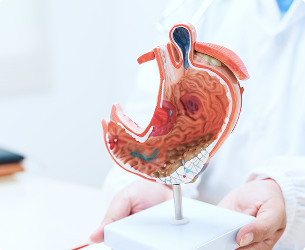
Gastroenterology
Gastroenterology is the specialty focused on the digestive system and its functions.
It supports patients with a wide range of digestive health concerns, helping maintain overall gastrointestinal health and well-being through early identification and long-term management.
At KIMSHEALTH, care is delivered through a patient-centered approach, focusing on accurate diagnosis, prevention, and ongoing support.

Bahrain
A trusted destination for specialised medical care supported by expert clinical professionals.
KIMSHEALTH Bahrain
6
Facilities
120+
Doctors
25+
Specialities
40+
Services