


Immunosuppressants (For Glomerulonephritis, Nephrotic Syndrome)

About the procedure
About the procedure
Immunosuppressant therapy is used to control kidney diseases such as glomerulonephritis and nephrotic syndrome that occur due to abnormal immune system activity. These medications reduce inflammation and immune attacks on the kidney filters (glomeruli), helping to decrease protein loss in urine and preserve kidney function. Commonly used drugs include corticosteroids and other immunosuppressive agents. Careful monitoring is essential to balance treatment benefits while minimizing side effects and infection risks.
Before procedure
- Detailed diagnosis and kidney biopsy review if needed
- Baseline blood tests and infection screening
- Medication risks and benefits explained
- Vaccination status assessed when appropriate
During procedure
- Immunosuppressants started under specialist supervision
- Kidney function and urine protein monitored
- Patient observed for side effects or infections
- Dosages adjusted based on response
After procedure
- Regular follow-up and lab monitoring continued
- Infection prevention measures reinforced
- Medication adherence emphasized
- Gradual dose tapering if advised
Relevant Specialties
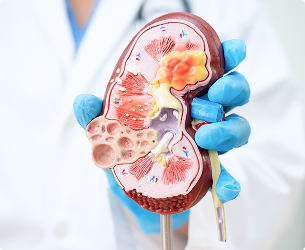
Nephrology
The Department of Nephrology provides comprehensive kidney care, from diagnosis to medical management to advanced dialysis and transplantation. We treat kidney stones, glomerular disease, diabetic kidney problems, and hypertension, and provide pediatric nephrology and onconephrology care when necessary. Our team manages living-donor, high risk, and ABO-incompatible transplants through modern dialysis units (hemodialysis, peritoneal dialysis, HDF and CRRT for critically ill patients), interventional nephrology procedures, and a leading transplant program. Recognised for excellence — ranked No. 2 in Outlook’s 2025 Best Nephrology Centres — KIMSHEALTH is a trusted destination for complete kidney care.

Bahrain
A trusted destination for specialised medical care supported by expert clinical professionals.
KIMSHEALTH Bahrain
6
Facilities
120+
Doctors
25+
Specialities
40+
Services

Oman
A trusted destination for specialised medical care supported by expert clinical professionals.
KIMSHEALTH Oman3
Facilities
80+
Doctors
30+
Specialties
20+
Services

Saudi Arabia
The largest multispeciality clinic in Jubail, offering quality medical care to the citizens.
KIMSHEALTH Saudi Arabia2
Facilities
50+
Doctors
20+
Specialties
10+
Services