


Liver Biopsy

About the procedure
Liver biopsy is a diagnostic procedure that involves removing a small sample of liver tissue for examination under a microscope. It is used to diagnose liver diseases, determine the severity of liver damage (such as fibrosis or cirrhosis), monitor disease progression, and evaluate the effectiveness of treatment. It remains the gold standard for assessing liver histology, though non-invasive alternatives like FibroScan are increasingly used.
Care before the procedure
- Pre-Procedure Evaluation:
- Blood tests (coagulation profile, platelet count) to ensure safe biopsy conditions.
- Imaging (ultrasound/CT) to map liver anatomy and identify the optimal biopsy site.
- Review of medications (discontinue blood thinners like warfarin, clopidogrel, or NSAIDs 5–7 days prior).
- Fasting:
- No food or drink for 6–8 hours before the procedure to reduce aspiration risk and ensure an empty stomach.
- Consent and Education:
- Discussion of risks (bleeding, pain, rare organ injury) and benefits.
- Arrangements for a companion to drive the patient home post-procedure.
Care during the procedure
- Setting: Performed in a hospital or outpatient procedure room.
- Approaches:
- Percutaneous Biopsy:
- Most common.
- The patient lies on their back with the right arm raised.
- Local anesthesia is applied, and a needle is inserted between the ribs into the liver.
- Transjugular Biopsy:
- Used for high bleeding risk patients.
- A catheter is threaded through the jugular vein to the liver veins to collect tissue.
- Duration: 15–30 minutes for percutaneous biopsy; longer for transjugular approach.
- Patient Experience:
- Local anesthesia minimizes pain at the insertion site.
- Pressure or dull pain may be felt as the needle enters the liver.
- Sedation may be offered for anxious patients.
- Percutaneous Biopsy:
Care after the procedure
- Immediate Recovery:
- Lie on your right side for 2–4 hours to apply pressure on the biopsy site and reduce bleeding risk.
- Monitor vital signs (blood pressure, heart rate) for several hours.
Discharge same day if no complications arise.
- Activity Restrictions:
- Avoid strenuous activity, heavy lifting, or exercise for 5–7 days.
- Resume normal activities gradually as tolerated.
- Symptoms to Report Immediately:
- Severe right shoulder or abdominal pain.
- Dizziness, fainting, or rapid heart rate.
- Fever, chills, or worsening redness/swelling at the biopsy site.
- Results:
- Tissue samples are sent to pathology; results typically available in 5–10 days.
- Follow-up with the referring physician to discuss findings and treatment plan.
- Long-Term Monitoring:
- Repeat biopsies may be needed to assess treatment response or disease progression.
- Integrate results with ongoing management (e.g., lifestyle changes for fatty liver, medications for hepatitis).
Relevant Specialties
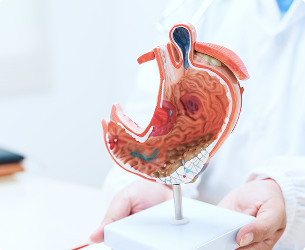
Gastroenterology
Gastroenterology is the specialty focused on the digestive system and its functions.
It supports patients with a wide range of digestive health concerns, helping maintain overall gastrointestinal health and well-being through early identification and long-term management.
At KIMSHEALTH, care is delivered through a patient-centered approach, focusing on accurate diagnosis, prevention, and ongoing support.
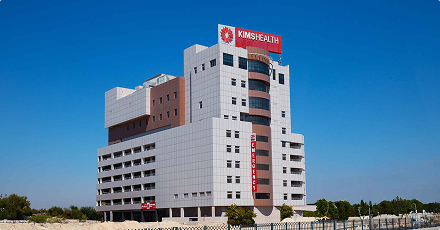
Bahrain
A trusted destination for specialised medical care supported by expert clinical professionals.
KIMSHEALTH Bahrain
6
Facilities
120+
Doctors
25+
Specialities
40+
Services