


Radiofrequency Ablation (RFA)

About the procedure
Care before the procedure
Careful patient selection and preparation are key to success.
- Diagnostic Nerve Block: A mandatory test where a local anesthetic is injected to numb the target nerve. Significant pain relief from this block predicts a successful outcome from RFA.
- Medical Evaluation: A thorough review of medical history, medications (especially blood thinners, which may need to be paused), and allergies.
- Informed Consent: A detailed discussion of the procedure’s goals, benefits, potential risks (e.g., temporary numbness, muscle weakness, bruising, infection), and the fact that pain may return as the nerve regenerates.
- Pre-Procedure Instructions: Patients are typically asked to fast for a few hours before the procedure due to the use of sedation.
Care during the procedure
The procedure is performed in a sterile procedure room, often with sedation for comfort.
- The Process: The patient lies on an X-ray table. The skin is cleaned and numbed with local anesthetic. Using live imaging guidance (fluoroscopy/CT), the physician precisely advances the needle to the target nerve. Low-frequency electrical stimulation may be used to ensure proper placement (e.g., eliciting a tingling sensation in the exact area of pain without muscle twitching). The radiofrequency current is then applied for a short period.
- Patient Role: The patient must report any sensations (e.g., pain, tingling) during the stimulation test to ensure accurate needle placement. They must otherwise remain still.
- Sensations: The local anesthetic causes a sting. The sedation induces relaxation. The ablation itself may cause a brief feeling of pressure or mild discomfort.
- Duration: The entire procedure typically takes 30 to 90 minutes, depending on the number of nerves being treated.
Care after the procedure
A brief recovery period is required.
- Immediate Aftercare (First 24-72 hours): Patients are monitored in a recovery area before going home. They must have a driver. Common post-procedure effects include soreness at the injection site and a temporary increase in pain. Ice and over-the-counter pain relievers are used to manage this.
- Activity: Patients are advised to take it easy for the first day or two. Strenuous activity should be avoided for about a week to allow the area to heal.
- Results: Pain relief is not immediate. The targeted pain typically begins to diminish over the following 1 to 3 weeks as the inflammation from the procedure subsides and the nerve lesion takes full effect.
- Follow-up: A follow-up appointment is scheduled to assess the outcome. Physical therapy is often recommended to strengthen supporting muscles and improve mobility, now that the pain is reduced.
- Long-Term Management: RFA provides long-lasting but not always permanent relief. Patients should understand that the nerves may regenerate, and pain can return after 9-24 months. The procedure can be safely repeated. It is a powerful component of a comprehensive, long-term pain management plan.
Relevant Specialties
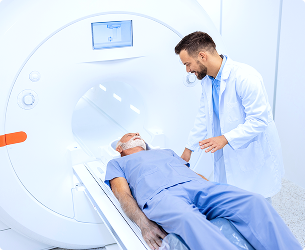
Radiology
Radiology uses imaging to support the diagnosis, evaluation, and monitoring of a wide range of health conditions.
It plays a critical role in helping clinicians understand underlying medical concerns by providing clear and accurate visual insights, supporting informed decision-making across multiple specialties.
At KIMSHEALTH, radiology services are delivered through a patient-first approach, focusing on precision, efficiency, and timely support to ensure effective and coordinated patient care.

Dermatology & Cosmetology
Dermatology is the medical specialty concerned with the health of the skin, hair, and nails, while cosmetology focuses on enhancing appearance and skin well-being.
The specialty addresses a wide range of conditions, from common skin concerns to more complex dermatological issues, while also supporting overall skin health.
At KIMSHEALTH, care is delivered through a patient-centered approach, focusing on accurate diagnosis, individualized care, and long-term skin health and confidence.
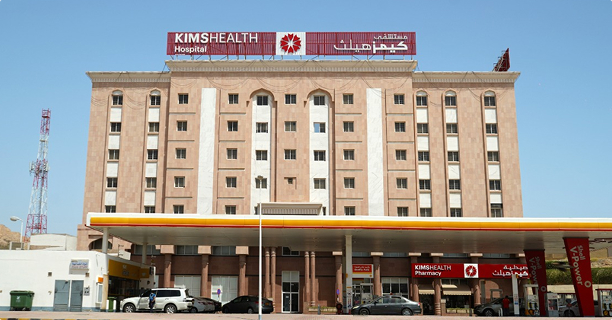
Oman
A trusted destination for specialised medical care supported by expert clinical professionals.
KIMSHEALTH Oman
3
Facilities
80+
Doctors
30+
Specialties
20+
Services
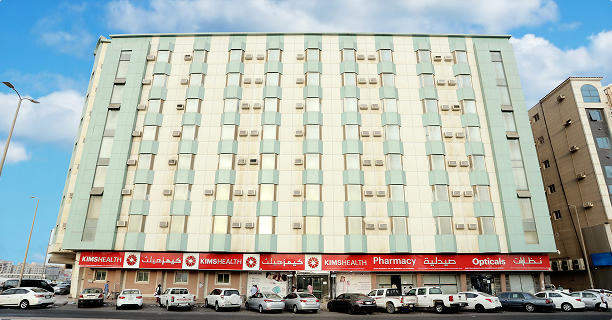
Saudi Arabia
The largest multispeciality clinic in Jubail, offering quality medical care to the citizens.
KIMSHEALTH Saudi Arabia2
Facilities
50+
Doctors
20+
Specialties
10+
Services
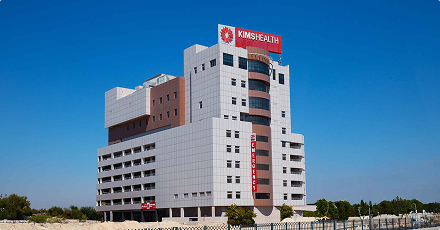
Bahrain
A trusted destination for specialised medical care supported by expert clinical professionals.
KIMSHEALTH Bahrain6
Facilities
120+
Doctors
25+
Specialities
40+
Services
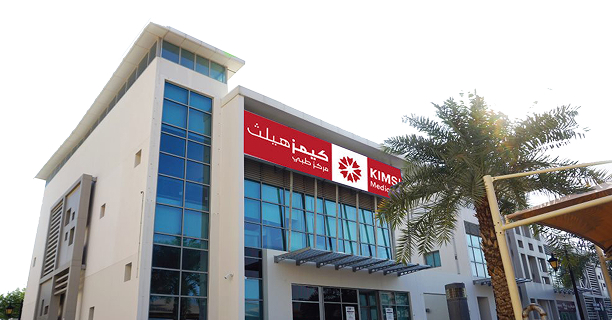
Qatar
Multispecialty medical centers delivering top-notch care to the people of Qatar.
KIMSHEALTH Qatar3
Facilities
50+
Doctors
20+
Specialities
10+
Services

UAE
A trusted destination for specialised medical care supported by expert clinical professionals.
KIMSHEALTH UAE2
Facilities
40+
Doctors
15+
Specialties
40+
Services