


Skin and Subcutaneous Surgery

About the procedure
Care before the procedure
- Maintain hygiene of the surgical site.
- Inform the doctor about medications, allergies, or prior surgeries.
- Avoid applying creams or ointments to the area before the procedure.
Care during the procedure
- Local or general anesthesia is administered as required.
- Lesion excised carefully with minimal surrounding tissue damage.
- Wound closed with sutures; advanced techniques used if cosmetic.
- Monitor vital signs and patient comfort during surgery.
Care after the procedure
- Keep wound clean and dry to prevent infection.
- Take prescribed medications for pain management.
- Avoid trauma or pressure on the treated area.
- Attend follow-up visits for wound assessment and healing.
Eligibility
- Patients with cysts, lipomas, or skin lesions causing discomfort or cosmetic concern.
- Individuals with benign or malignant lesions requiring excision.
- People seeking functional or cosmetic improvement through skin surgery.
Relevant Diseases & Conditions
Gastrointestinal Bleeding (Upper or Lower)
Relevant Specialties

Aviation Medicine
Our Department of Aviation Medicine, also known as flight medicine or aerospace medicine, is a specialised form of preventive or occupational medicine that focuses on the health of patients/subjects who are pilots, aircrews, or astronauts. We offer a comprehensive range of services, including Initial Class I Aeromedical Examinations, Direct Reinstatements for Flying Crews, Class III Aeromedical Examinations, and Fitness-To-Work Assessments.
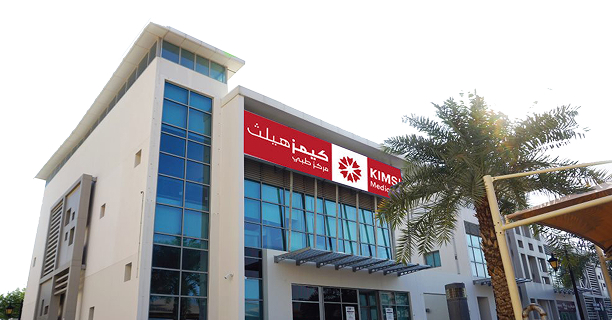
Qatar
Multispecialty medical centers delivering top-notch care to the people of Qatar.
KIMSHEALTH Qatar
3
Facilities
50+
Doctors
20+
Specialities
10+
Services
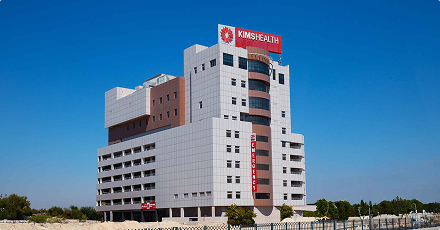
Bahrain
A trusted destination for specialised medical care supported by expert clinical professionals.
KIMSHEALTH Bahrain6
Facilities
120+
Doctors
25+
Specialities
40+
Services
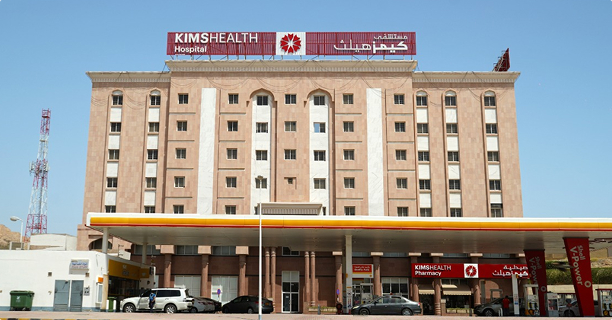
Oman
A trusted destination for specialised medical care supported by expert clinical professionals.
KIMSHEALTH Oman3
Facilities
80+
Doctors
30+
Specialties
20+
Services
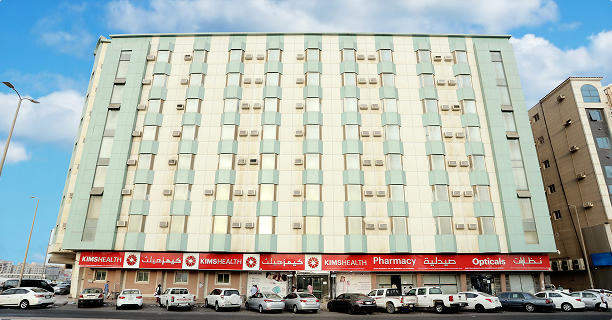
Saudi Arabia
The largest multispeciality clinic in Jubail, offering quality medical care to the citizens.
KIMSHEALTH Saudi Arabia2
Facilities
50+
Doctors
20+
Specialties
10+
Services