


Subconjunctival Injection

About the procedure
Care before the procedure
- Avoid rubbing eyes prior to the injection procedure.
- Inform the doctor about allergies and current medications.
- Remove contact lenses before the procedure if worn.
- Ensure no active eye infection is present unless being treated.
Care during the procedure
- Sit still while topical anaesthetic is applied to the eye.
- Keep eyes open or as instructed during the injection.
- Avoid sudden movements to prevent injury during needle placement.
- Notify the clinician immediately if experiencing sharp pain.
Care after the procedure
- Mild discomfort or redness may occur at the injection site.
- Avoid rubbing or pressing the injected eye.
- Continue prescribed systemic or topical medications as directed.
- Monitor for increased pain, swelling, or vision changes and report promptly.
Eligibility
- Patients with severe ocular infections requiring a high local antibiotic concentration.
- Individuals with intraocular or periocular inflammation needing steroid delivery.
- Patients requiring adjunctive therapy for conditions not responsive to topical drops alone.
- People with targeted ocular conditions where systemic therapy may be insufficient or slow-acting.
Relevant Diseases & Conditions
Abdominal Pain
Relevant Specialties

Anesthesiology
Our Department of Anesthesiology and Perioperative Medicine provides comprehensive anesthetic care across surgical and interventional procedures, supporting more than 1 lakh patients every year. With a multidisciplinary team of pediatric anesthesiologists, we deliver local, regional, sedation and general anesthesia tailored to individual needs. Advanced expertise includes cardiac, transplant, neuro, bariatric, & oncology, alongside ultrasound-guided regional techniques and complex airway management. In addition, our services also include interventional support, critical care, and acute and chronic pain management.
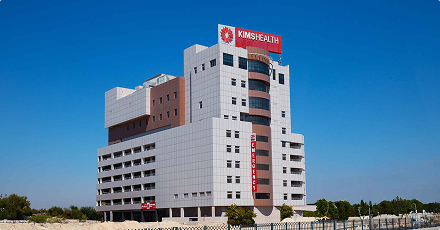
Bahrain
A trusted destination for specialised medical care supported by expert clinical professionals.
KIMSHEALTH Bahrain
6
Facilities
120+
Doctors
25+
Specialities
40+
Services

Oman
A trusted destination for specialised medical care supported by expert clinical professionals.
KIMSHEALTH Oman3
Facilities
80+
Doctors
30+
Specialties
20+
Services

Saudi Arabia
The largest multispeciality clinic in Jubail, offering quality medical care to the citizens.
KIMSHEALTH Saudi Arabia2
Facilities
50+
Doctors
20+
Specialties
10+
Services