

Syringing of Lacrimal System

About the procedure
Care before the procedure
- Avoid applying eye makeup or creams on the day of the procedure.
- Inform the doctor about any eye infections or medications.
- Note the history of chronic tearing or prior lacrimal surgery.
- Arrange tissues or assistance, as some reflux of fluid may occur.
Care during the procedure
- Sit still and keep eyes open as instructed during cannula insertion.
- Follow instructions to tilt head or move slightly for optimal irrigation.
- Notify the examiner if sudden pain or discomfort occurs.
- Breathe normally and remain relaxed during saline flushing.
Care after the procedure
- Avoid blowing your nose immediately after the procedure to prevent reflux.
- Mild watery eyes or irritation may occur temporarily.
- Monitor for signs of infection, like redness or increased discharge.
- Resume normal activities unless instructed otherwise by the doctor.
Eligibility
- Patients with chronic tearing (epiphora) needing assessment of tear drainage.
- Individuals suspected of nasolacrimal duct obstruction or partial blockage.
- People with recurrent eye infections related to tear stagnation.
- Patients requiring follow-up after previous lacrimal surgery or stent placement.
Relevant Diseases & Conditions
Abdominal Pain
Relevant Specialties

Anesthesiology
Our Department of Anesthesiology and Perioperative Medicine provides comprehensive anesthetic care across surgical and interventional procedures, supporting more than 1 lakh patients every year. With a multidisciplinary team of pediatric anesthesiologists, we deliver local, regional, sedation and general anesthesia tailored to individual needs. Advanced expertise includes cardiac, transplant, neuro, bariatric, & oncology, alongside ultrasound-guided regional techniques and complex airway management. In addition, our services also include interventional support, critical care, and acute and chronic pain management.
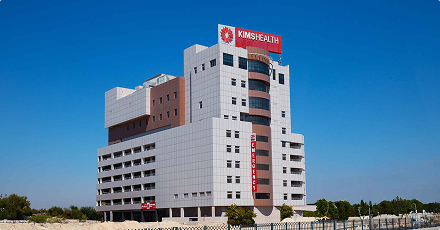
Bahrain
A trusted destination for specialised medical care supported by expert clinical professionals.
KIMSHEALTH Bahrain
6
Facilities
120+
Doctors
25+
Specialities
40+
Services

Oman
A trusted destination for specialised medical care supported by expert clinical professionals.
KIMSHEALTH Oman3
Facilities
80+
Doctors
30+
Specialties
20+
Services
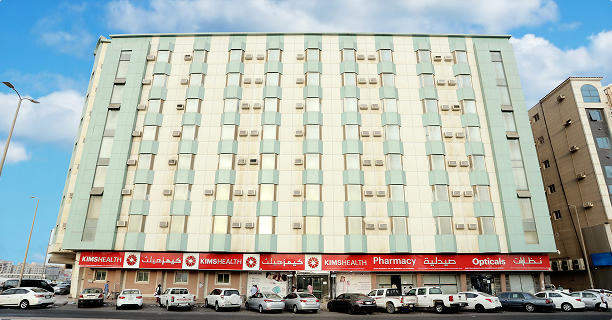
Saudi Arabia
The largest multispeciality clinic in Jubail, offering quality medical care to the citizens.
KIMSHEALTH Saudi Arabia2
Facilities
50+
Doctors
20+
Specialties
10+
Services