


Ultrasound & Fetal Monitoring

About the procedure
Care before the procedure
- Wear loose clothing to allow abdominal access.
- Drink water before abdominal ultrasound unless instructed .
- Bring previous scans and medical reports for comparison.
- Inform the consult doctor of any current medications or complications or any previous scan report that shows any abnormalities.
Care during the procedure
- Lie still as instructed for accurate imaging and monitoring.
- Follow the breathing or positioning directions for optimal visualization.
- Communicate any discomfort during the procedure to the staff.
- Remain relaxed to ensure clear fetal images.
Care after the procedure
- Resume normal activities immediately after the scan.
- Review results with the obstetrician for next steps.
- Schedule follow-up scans as recommended based on gestational progress.
- Monitor for any unusual symptoms and report promptly.
Eligibility
- All pregnant women require periodic ultrasounds for fetal growth and development assessment.
- High-risk pregnancies need more frequent imaging to monitor complications.
- Women with abnormal findings, or suspected anomalies require detailed scans.
- Ultrasound is essential for evaluating the placenta, amniotic fluid, and multiple pregnancies.
Relevant Diseases & Conditions
Abdominal Pain
Relevant Specialties

Cardiology
Our Cardiology Department delivers prevention, diagnosis and treatment for heart diseases through personalised care and advanced technology. Risk clinics for blood pressure and lipids offer non-invasive testing (ECG, echocardiogram, treadmill stress test, Holter monitor, and ambulatory blood pressure monitoring) and provide interventional services in a modern Catheterisation Laboratory, including device therapy and structural procedures. We maintain 24/7 cardiac ICU coverage and consultant availability to ensure rapid treatment for acute events. Post-procedure, patients receive tailored rehabilitation and multidisciplinary support that spans diabetes, pulmonary, and genetic services.

Oman
A trusted destination for specialised medical care supported by expert clinical professionals.
KIMSHEALTH Oman
3
Facilities
80+
Doctors
30+
Specialties
20+
Services
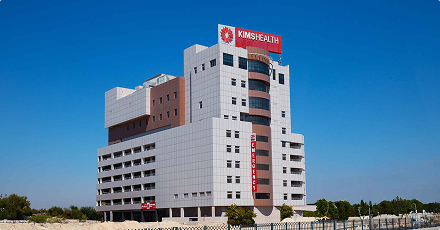
Bahrain
A trusted destination for specialised medical care supported by expert clinical professionals.
KIMSHEALTH Bahrain6
Facilities
120+
Doctors
25+
Specialities
40+
Services
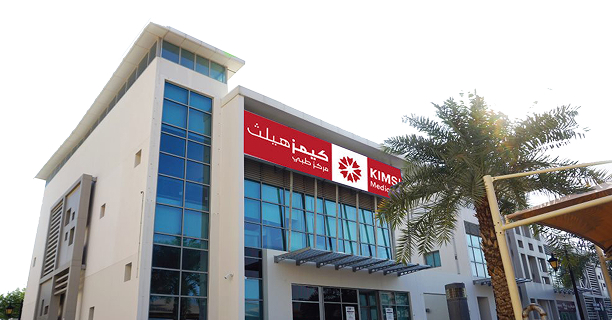
Qatar
Multispecialty medical centers delivering top-notch care to the people of Qatar.
KIMSHEALTH Qatar3
Facilities
50+
Doctors
20+
Specialities
10+
Services

Saudi Arabia
The largest multispeciality clinic in Jubail, offering quality medical care to the citizens.
KIMSHEALTH Saudi Arabia2
Facilities
50+
Doctors
20+
Specialties
10+
Services