


Upper Endoscopy (Esophagogastroduodenoscopy - EGD)

About the procedure
Upper endoscopy, also known as Esophagogastroduodenoscopy (EGD), is a procedure that allows direct visualisation of the upper gastrointestinal tract, including the oesophagus, stomach, and duodenum (first part of the small intestine). It is used to diagnose and treat conditions such as gastroesophageal reflux disease (GERD), peptic ulcers, Barrett's oesophagus, inflammation, strictures, and early-stage cancers. EGD is considered the most accurate test for evaluating the upper GI tract.
Care before the procedure
- Fasting: No food or drink (including water) for 6–8 hours before the procedure to ensure an empty stomach and reduce aspiration risk.
- Medication Adjustments: Discuss all medications with your doctor; you may need to temporarily stop blood thinners (e.g., warfarin, clopidogrel) or diabetes medications.
- Arrangements: Arrange for someone to drive you home afterward, as sedation impairs coordination and judgment.
- Health Disclosure: Inform your doctor of allergies, medical conditions, or previous reactions to sedation.
Care during the procedure
- Setting: Typically done in an outpatient endoscopy suite or hospital.
- Sedation: Most patients receive moderate sedation (e.g., midazolam for relaxation, fentanyl for pain) or monitored anesthesia care (MAC) for comfort.
- Process:
- You’ll lie on your left side. A mouthguard is placed to protect your teeth and the endoscope.
- The endoscope is inserted through the mouth and advanced slowly.
- The procedure usually takes 10–30 minutes, depending on findings and interventions.
- Patient Experience:
- You may feel slight pressure but should not experience pain due to sedation.
- Breathing is not affected.
Care after the procedure
- Immediate Recovery:
- Monitored for 30–60 minutes until sedation wears off.
- You may have a sore throat or mild bloating from air insufflation; these resolve quickly.
- Avoid driving, operating machinery, or making important decisions for 24 hours.
- Diet:
- Resume eating once swallowing returns to normal, starting with light meals.
- Results:
- Preliminary findings may be discussed shortly after the procedure.
- Biopsy results take several days; your doctor will schedule a follow-up to review them.
- Therapeutic Interventions:
- If treatment was performed (e.g., polyp removal, dilation), additional instructions will be provided.
- Complications (Rare): Seek medical help if you experience severe abdominal pain, fever, chest pain, or vomiting blood.
Relevant Specialties
Gastroenterology
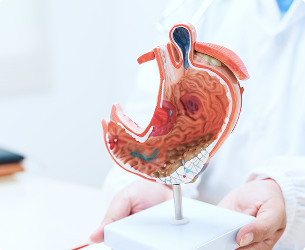
Gastroenterology is the specialty focused on the digestive system and its functions.
It supports patients with a wide range of digestive health concerns, helping maintain overall gastrointestinal health and well-being through early identification and long-term management.
At KIMSHEALTH, care is delivered through a patient-centered approach, focusing on accurate diagnosis, prevention, and ongoing support.
Bahrain
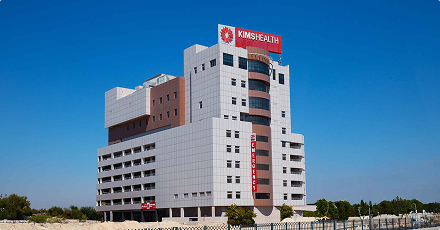
A trusted destination for specialised medical care supported by expert clinical professionals.
KIMSHEALTH Bahrain
6
Facilities
120+
Doctors
25+
Specialities
40+
Services