


Ureteroscopy & Laser Stone Removal

About the Procedure
Eligibility
- Patients with kidney or ureteral stones causing pain, infection, or obstruction.
- Stones that are too large for conservative management or shockwave therapy.
- Recurrent urinary stones causing urinary tract symptoms or infections.
- Suspected ureteral strictures or abnormalities.
- Patients requiring minimally invasive stone treatment instead of open surgery.
Care Before the Procedure
- Fasting may be required if anesthesia is planned.
- Inform your doctor about allergies, medications, or bleeding disorders.
- Urine tests or imaging may be done to locate stones.
- Consent must be obtained and instructions followed.
Care During the Procedure
- Performed under general or spinal anesthesia.
- Ureteroscope is inserted through the urethra and bladder into the ureter.
- Laser energy breaks the stones into small fragments.
- Stone fragments may be removed using special tools.
- Procedure time varies depending on stone size and location
Care After the Procedure
- A urinary catheter may be placed temporarily.
- Monitor urine for bleeding or stone fragments.
- Drink plenty of fluids to help flush fragments.
- Avoid strenuous activity until cleared by your doctor.
- Follow-up imaging may be required to ensure complete stone removal.
Relevant Specialties
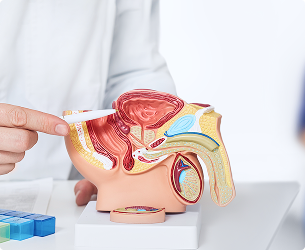
Urology
The Urology Department at KIMSHEALTH provides comprehensive care for disorders of the urinary tract and male reproductive system under the leadership of Dr Renu Thomas, combining advanced technology with surgical expertise. We specialise in minimally invasive approaches-ECIRS for complex kidney stones, HoLEP for prostate enlargement, and advanced laparoscopic procedures to reduce recovery time. We have performed over 600 kidney transplants, including paediatric, cadaveric, multiorgan and ABO-incompatible cases, and manage dialysis access and post-transplant care. Our services also cover urogynecology, reconstructive urology, uro-oncology, men’s health, paediatric urology and dedicated clinics for stones and prostate disease. With on-site diagnostics (urodynamics, cystoscopy, CT, 3T MRI, ultrasound and nuclear scans), 24/7 emergency urology, a multidisciplinary tumour board, rehabilitation and pharmacy support, we deliver coordinated, patient-centred care at every stage.
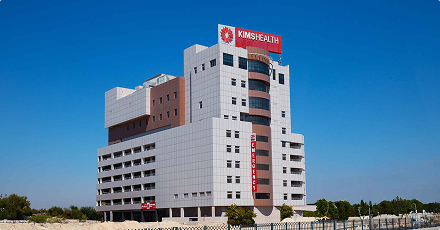
Bahrain
A trusted destination for specialised medical care supported by expert clinical professionals.
KIMSHEALTH Bahrain
6
Facilities
120+
Doctors
25+
Specialities
40+
Services
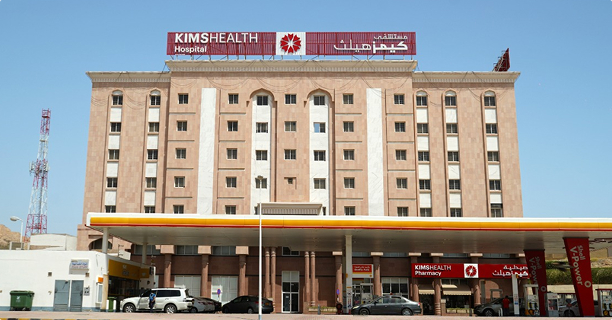
Oman
A trusted destination for specialised medical care supported by expert clinical professionals.
KIMSHEALTH Oman3
Facilities
80+
Doctors
30+
Specialties
20+
Services