


Visual Field Testing / Visual Field Assessment

About the procedure
Care before the procedure
- Avoid caffeine or sedatives that may affect alertness during testing.
- Bring previous visual field or ocular examination reports if available.
- Ensure adequate rest to prevent fatigue affecting test reliability.
- Inform the examiner about medications or eye conditions that may interfere.
Care during the procedure
- Sit steadily and maintain head position as instructed.
- Focus on the central target and respond to all light stimuli.
- Avoid moving eyes or blinking excessively during testing.
- Notify the examiner if experiencing discomfort or difficulty concentrating.
Care after the procedure
- No special precautions are required after visual field testing.
- Review results with the doctor to understand findings and implications.
- Repeat testing as advised for monitoring the progression of ocular disease.
- Maintain routine eye care and follow-up appointments as scheduled.
Eligibility
- Patients with glaucoma needing to detect and monitor visual field loss progression.
- Individuals with optic neuropathy or suspected optic nerve damage.
- Patients with neurological conditions affecting the visual pathways or cortex.
- People with retinal disorders or systemic diseases impacting peripheral vision.
Relevant Diseases & Conditions
Acute Appendicitis
Relevant Specialties

Critical Care
Our Critical Care Department delivers consultant-led, 24/7 intensive care for the most critically ill and injured patients, including those recovering from major surgery or multi-organ failure. Led by experienced intensivists, multidisciplinary teams work closely with specialists across cardiology, anesthesiology, neurology, nephrology, surgery and transplant medicine to provide coordinated, evidence-based care. Advanced life-support systems, continuous monitoring, quick access to blood-related products, interventional radiology, and purpose-built ICUs with strict infection control ensure timely, precise and safe treatment.
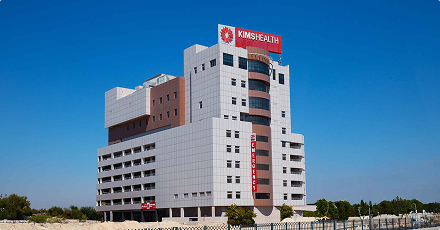
Bahrain
A trusted destination for specialised medical care supported by expert clinical professionals.
KIMSHEALTH Bahrain
6
Facilities
120+
Doctors
25+
Specialities
40+
Services
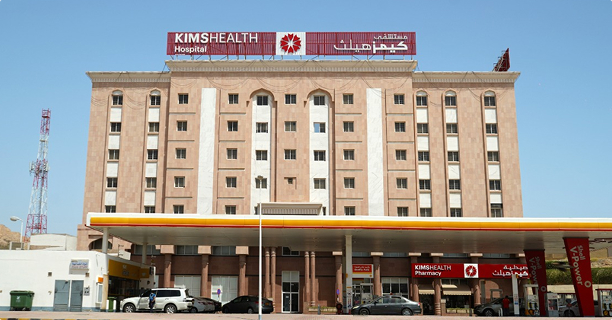
Oman
A trusted destination for specialised medical care supported by expert clinical professionals.
KIMSHEALTH Oman3
Facilities
80+
Doctors
30+
Specialties
20+
Services
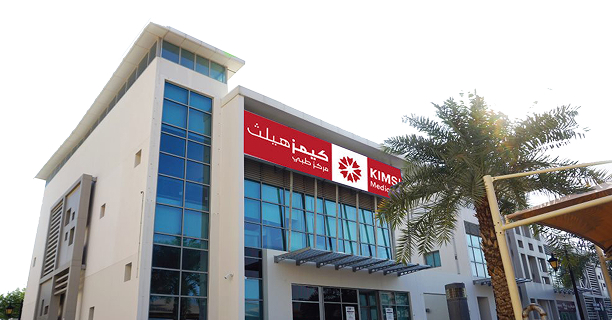
Qatar
Multispecialty medical centers delivering top-notch care to the people of Qatar.
KIMSHEALTH Qatar3
Facilities
50+
Doctors
20+
Specialities
10+
Services
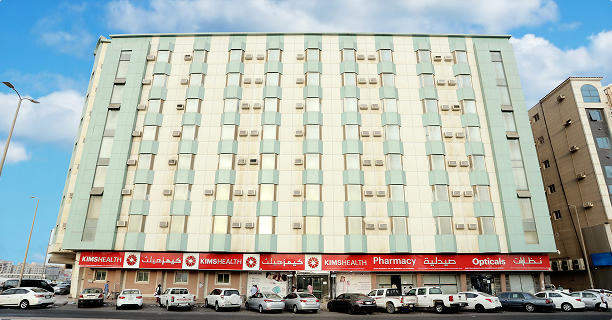
Saudi Arabia
The largest multispeciality clinic in Jubail, offering quality medical care to the citizens.
KIMSHEALTH Saudi Arabia2
Facilities
50+
Doctors
20+
Specialties
10+
Services