


Nephrology

Nephrology
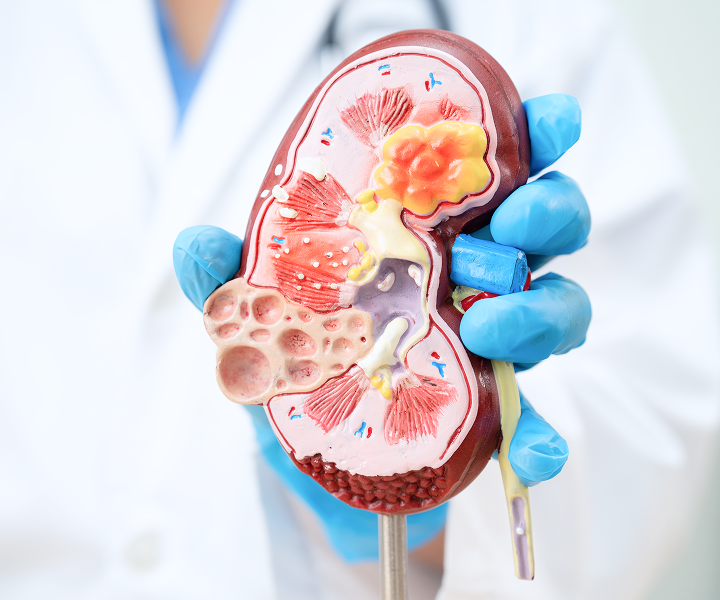
Nephrology is the specialty focused on the health of the kidneys and related conditions.
It supports patients in managing both acute and long-term kidney-related concerns, as well as maintaining overall renal health.
At KIMSHEALTH, nephrology care emphasizes early detection, ongoing monitoring, and a patient-first approach to long-term health management.
Relevant Diseases & Conditions
Acute Kidney Injury (AKI)
Acute Kidney Injury (AKI) is a sudden loss of kidney function that occurs over hours or days. It leads to the buildup of waste products, fluids, and electrolyte imbalance in the body. AKI can develop due to severe infections, dehydration, reduced blood flow to the kidneys, or exposure to certain medications or toxins. Early diagnosis and timely treatment are crucial, as AKI is often reversible. If not managed properly, it can lead to serious complications or progress to chronic kidney disease.
Chronic Kidney Disease (CKD)
Chronic Kidney Disease (CKD) is a long-term condition where the kidneys gradually lose their ability to filter waste and excess fluids from the blood. It usually develops slowly over months or years and is commonly caused by diabetes, high blood pressure, or prolonged kidney damage. In the early stages, CKD may show few symptoms, making regular screening important. Proper management can slow disease progression, reduce complications, and help maintain quality of life.
Diabetic Nephropathy
Diabetic Nephropathy is a kidney condition caused by long-term damage from uncontrolled diabetes. High blood sugar levels gradually damage the kidney’s filtering units, leading to protein leakage into the urine and reduced kidney function. The condition develops slowly and may not show symptoms in the early stages. Without proper management, it can progress to chronic kidney disease or kidney failure. Strict blood sugar control, regular kidney monitoring, and early treatment play a key role in slowing disease progression.
Electrolyte imbalance
Electrolyte imbalance occurs when the levels of essential minerals such as sodium, potassium, calcium, phosphorus or magnesium in the body become too high or too low. These electrolytes are vital for nerve function, muscle movement, heartbeat regulation, and fluid balance. Imbalances can result from dehydration, kidney disease, hormonal disorders, or certain medications. Symptoms may range from mild to severe and can become life-threatening if not treated promptly. Early diagnosis and proper management help restore balance and prevent complications.
Relevant Procedures
Antibiotics (For Urinary Tract Infections)
Antibiotic therapy is the primary treatment for urinary tract infections (UTIs), which occur when bacteria infect any part of the urinary system. Antibiotics work by eliminating the infection-causing bacteria, relieving symptoms such as pain, burning during urination, and frequent urges to urinate. The choice and duration of antibiotics depend on the type of infection, severity, and patient health status. Early and appropriate treatment helps prevent complications and recurrence.
Blood Pressure Control (Ace Inhibitors, Arbs, Other Antihypertensives)
Blood pressure control involves using medications to maintain healthy blood pressure levels and reduce the risk of heart, kidney, and stroke-related complications. Commonly prescribed drugs include ACE inhibitors, ARBs, calcium channel blockers, beta blockers, and diuretics. These medications work by relaxing blood vessels, reducing fluid overload, or slowing heart rate. Effective blood pressure management requires regular monitoring, medication adherence, and lifestyle modifications to achieve long-term cardiovascular and renal protection.
Blood Sugar Management (For Diabetic Kidney Disease)
Blood sugar management is essential in diabetic kidney disease to slow kidney damage and prevent complications. It involves the use of insulin, oral antidiabetic medications, and lifestyle modifications to maintain optimal glucose levels. Careful control of blood sugar helps reduce stress on the kidneys, lowers the risk of progression to kidney failure, and improves overall health. Regular monitoring, medication adjustments, and dietary planning are key components of effective long-term management.
Catheter Placement for Dialysis or Urinary Drainage
Catheter placement is a minor medical procedure used to allow dialysis access or urinary drainage when normal pathways are not adequate. For dialysis, a catheter is placed into a large vein to enable blood flow during treatment. For urinary drainage, a catheter is inserted into the bladder to drain urine safely. The procedure is usually performed under sterile conditions with local anesthesia. Catheter placement helps relieve symptoms, prevents complications, and supports effective treatment and patient comfort.
Available At
Here for you, every step of the way
Healthcare can feel overwhelming at times. At KIMSHEALTH Saudi Arabia, we believe care should be transparent and supportive, allowing you to move forward with confidence and comfort. You deserve care you can trust, delivered with understanding and respect.
Our medical teams bring together advanced expertise with a deeply human approach to care. From everyday care to highly specialised treatment, we ensure you feel informed, reassured, and supported throughout your journey - so your experience with us is seamless and secure.
Our medical teams bring together advanced expertise with a deeply human approach to care. From everyday care to highly specialised treatment, we ensure you feel informed, reassured, and supported throughout your journey - so your experience with us is seamless and secure.